hololive Next: a new future for hololive
Table of Contents
Introduction
Tokino Sora debuted on Niconico on September 7, 2017, which means that hololive has now entered into its 10th year of existence. So many wonderful moments have taken place along the way: a plethora of talented members joining the agency in each Generation, the expansion to an international audience with Indonesian- and English-speaking vtubers, and the majestic showcases of members’ exceptional singing abilities at sololives and HoloFes.
But this 10-year journey has also crossed over many hardships: the graduations of several beloved members, the failure of HoloEarth, and the schism of Stellar Studios. Since April 1, 2026, Cover Corporation is in the midst of restructuring their middle management following backlash from their own talent that they’re not receiving the support they need. The purpose is to eliminate management bottlenecks so that decisions can be made more quickly and effectively while also being able to hold individual executives accountable for specific decisions. Moreover, Cover has fallen out of favor with many (former) fans of hololive who feel like management has abandoned hololive’s original direction in a quest for more reach and greater general appeal. Cover acknowledges these fans somewhat euphemistically as “temporarily dormant users” in investor communications (page 5).
What’s worse is that the increase in these adversities is a recent trend. There certainly have been minor growing pains throughout hololive’s existence, but the graduation rush that led to the loss of confidence in hololive’s management is only a two-year-old (mid 2024) phenomenon at this point in time.
I’ve been a dedicated hololive fan since Myth’s debut in 2020, and my support for my favorite members has never faltered. I’m grateful for the certain Cover Corporation executives who understood what both fans and talents wanted and put in great efforts to make it a reality, such as Dimitri Hazuki who oversaw the debut of Advent and helped shape hololive English into the identity it holds today.
Notwithstanding, the negligence and failures by Cover Corporation’s management as a whole has been at the forefront of my mind these past 2 years. My loyalty is to the hololive members and not the corporation or management, and I will never hold back from criticizing Cover Corporation’s bad decision-making such as the mismanagement of DEV_IS, the overbooked work schedule of their talents, and the deplorable acceleration of merchandising opportunities with rising prices (birthday goods, anniversary goods, new-outfit goods, collab goods, voice packs every few weeks, $100 music CDs…).
Stagnant growth, decreasing revenue, disgruntled fans, and a nearly 2-year-long pause in new debuts during which 7 members chose to end their activities: this is the backdrop against which hololive must forge a path forward. And so on September 7, 2026, the day of hololive’s 9th anniversary, Cover Corporation spoke directly to hololive’s fans like never before, in a 45-minute-long video featuring Cover Corporation’s CEO and selected hololive members laying out the agency’s plans for the future.
hololive Next
In a similar style to Nintendo Directs, hololive Next was the first time fans have been able to get news about hololive’s future plans and projects directly from upper management instead of the usual impersonal methods like news releases and social-media posts1. The program will become a reoccurring feature on the official Youtube channel every few months with the next installment scheduled for November 20, 2026. Hololive Next’s first edition comes in honor of hololive’s 9th anniversary, and Yagoo, a.k.a. 谷郷元昭 Tanigo Motoaki, the CEO of Cover Corporation, revealed that hololive intends to celebrate by focusing on “renewal” of the agency.
A self-renewal project may come off as a strange way to celebrate an anniversary, but in light of the recent hardships that the agency has had to endure, this is the perfect opportunity to correct the course ahead, in preparation for their monumental 10-year milestone. All of the announcements related to this goal have been posted on the 10th anniversary website. Reading the official posts is recommended, but here’s a summary:
Publication of a 10th-anniversary countdown website
New hololive triangle logo
The unification of all branches, i.e. hololive, hololive Indonesia, hololive English, and hololive DEV_IS, under one banner as hololive
“Visual updates” for all hololive members
New streaming software suite called “hololive raku”
Production of a hololive TV anime under the codename おでホロ “Odeholo”
Upcoming debut of hololive’s latest unit アソビ★まわり隊 “ASOBI★MAWARI-TAI”

Change in logo top: old, bottom: new
The logo change is unremarkable and merely serves to underscore the new direction and future of the agency.
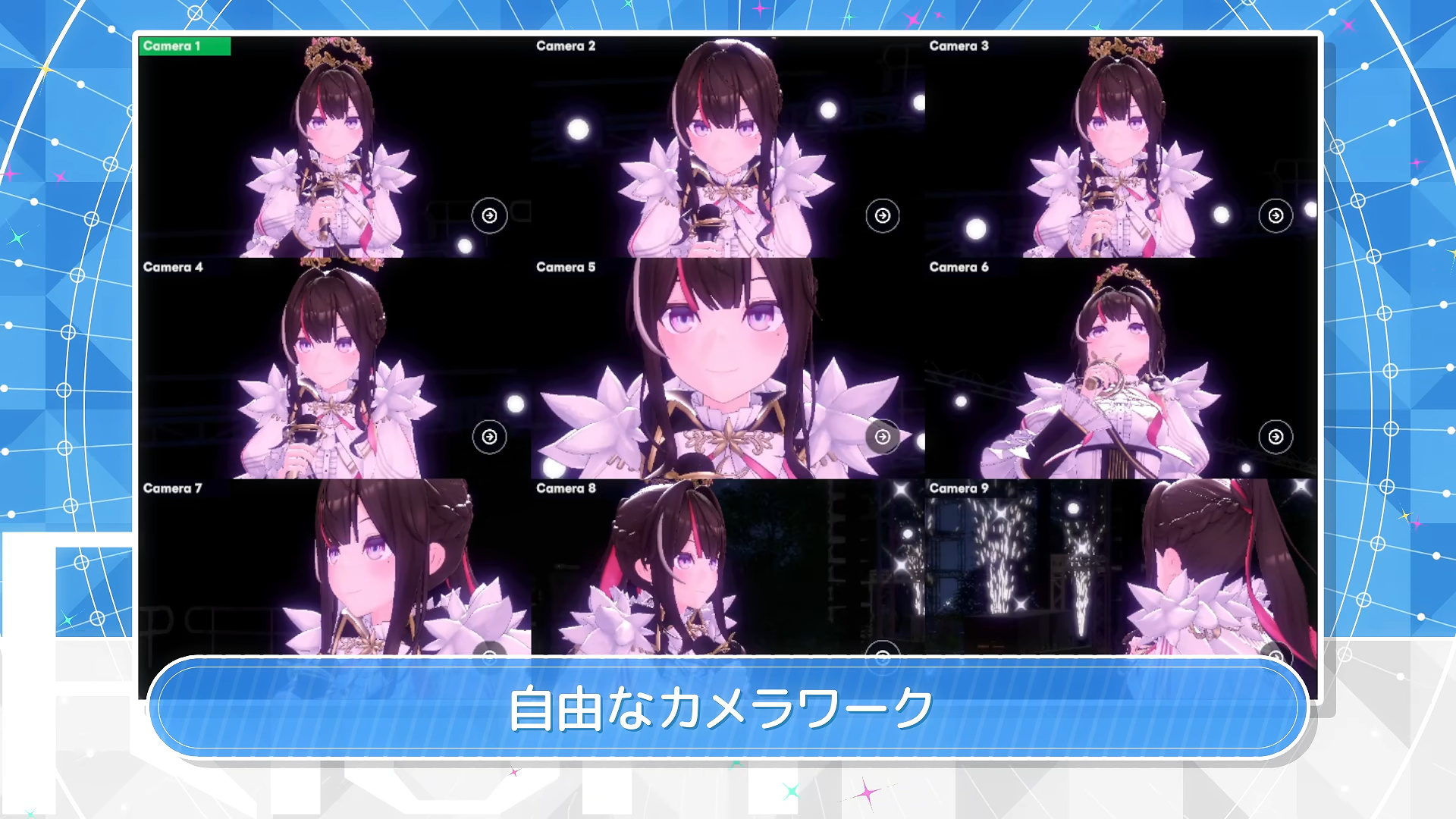
The hololive raku software is more interesting. Its name is based on the Japanese kanji meaning easy and comfort, and the new app is an improvement on hololive’s current “3D at home” streaming setup. Its most remarkable feature is the multi-perspective cameral control, for which Cover Corporation shared a screenshot. It’s incredibly rare for Cover to release images of their internal software’s UI, so this was an unexpected inclusion.
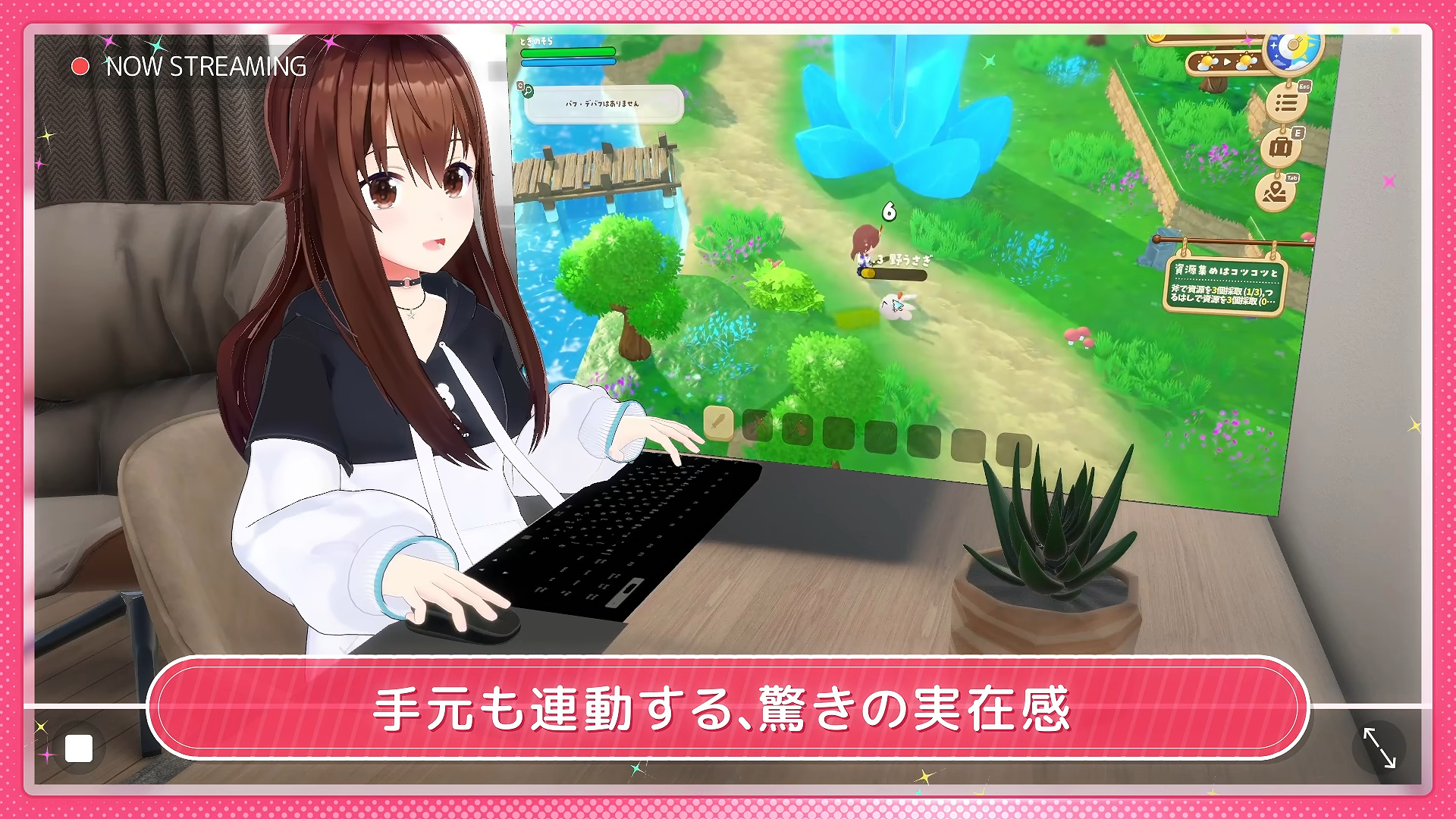
Hololive raku also enables more emotive facial expressions and hooking into controller, keyboard, and mouse input so that keypresses are conveyed by the vtuber model. This technology had previously been integrated with Live 2D upgrades but may be novel for at-home 3D setups. However, the keypress rendering needs more polish before the app’s release at the end of September 2026. In the promotional video for the technology, Tokino Sora’s fingers don’t make contact with the keys she’s meant to press and instead stay hovering in the air.
Hololive’s first ever TV anime is another huge point of news, but since the company only showed a few short animated clips and reserved a future date for more information, I’ll hold off on discussing it here. Rather, I’d like to focus on the three biggest developments that came from this set of announcement.
Union of branches
The most significant structural change in hololive’s history was announced and effectuated during hololive Next. From this point forward, hololive (JP), hololive English, hololive Indonesia, and hololive DEV_IS will cease to exist as separate branches and will united under a single unified management. English, Indonesia, and DEV_IS were removed from all members’ titles on their official profile pages, channels, and social media accounts. According to the official news post, the branch-managed official Youtube channels will continue to operate, but the focus of their content will change:
Until now, we have selected the channels and accounts through which content is shared based on the region where the featured talents are based. Going forward, rather than focusing on who is appearing, we will share content based on which language-speaking audience it is intended for.
The news post elaborates that Cover Corporation wants to foster more talent mixing across regions and doesn’t want to market English-speaking talents to only English-speaking audiences, or Japanese talents to only Japan. The official channels will continue to provide information in their respective languages, but even talents who don’t speak each channel’s language will appear in features. Likewise, the news post explains that the social-media accounts will provide announcements about all hololive members, not just about the ones who speak each account’s assigned language. However, this has already been standard practice by the social-media accounts for years….
I researched the mixture of content on each of the official Youtube channels. The English, Indonesia, and DEV_IS channels almost exclusively have featured videos about only their respective members. On the other hand, the main-branch channel has frequently featured members from other branches, particular in Hologra and promotional videos like voice-pack announcements. The DEV_IS Youtube channel is in a peculiar spot since it’s been made superfluous with this announced change, but it has since rebranded to hololive ReGLOSS while still retaining its @hololiveDEV_IS handle.
The unification of hololive’s branches isn’t just about form, but also function. A unified organization without regional boundaries doesn’t just help “create culture loved by all” as Cover’s gaudy slogan champions, but also covers up some of the agency’s endeavors that haven’t been successful.
The greatest one of these is the DEV_IS branch. DEV_IS was meant to be a performance-centric and normie-friendly branch of hololive. Rather than kemomimi, sexy nurses, and horny pirates, the DEV_IS members’ designs look like ordinary women in regular clothes. I’m sure there is no shortage of opinions on why DEV_IS struggled as much as it did to become popular like the main branch, whether you want to blame it on the end of the COVID boom for vtubing or on managerial mishaps. But I will always firmly hold that Cover’s critical flaw with DEV_IS was searching for a new fanbase that didn’t exist rather than continuing to embrace the fanbase that would support them. Even worse, the first unit of DEV_IS debuted in September 2023, merely a year before a shockwave of graduations would change the face of the agency, when fan unity would have been more important than ever.
Amidst this merger, perhaps a grim reality comes to light about hololive Indonesia. This branch predates hololive English and was the agency’s first foray outside of Japan. It’s accumulated 3 Generations and 9 members, but hasn’t had a new debut since March 2022.
An eccentricity about hololive Indonesia is that all of its members speak English at least at an intermediate level, with most being close to native. They tend to use both English and Indonesian on their streams, although some streams may more heavily feature one language than the other. Perhaps the success that hololive English had with reaching a wide international audience was part of the impetus to make English more present in hololive ID members’ streams. “English-only” streams were also becoming a reoccurring feature of JP members’ schedule at the time. In any case, speaking English enabled members to reach more viewers internationally, but hololive ID continued to lag behind in many crucial metrics (viewer count, subscribers, sales) while its kouhai branch, hololive EN, soared to new heights.
What impact does the unification of all branches have on future prospects of debuting new Indonesian-speaking talent? Only time will tell for sure, but a more poignant question is about the identity of hololive ID: Given that the branch never exclusively fostered an Indonesian-only fanbase, what could a new talent who speaks exclusively Indonesian offer better than an English-speaking or Japanese-speaking new talent?
There’s a corollary to this question that applies to the merger of the other branches: how do you implement unity across members and involve them in projects when language barriers still keep them apart? ID’s multilingualism will allow them to seamlessly integrate into the English- or Japanese-speaking clique, but English members won’t magically become able to communicate fluently with Japanese members on account of this merger, or vice-versa. Branches were practical, allowing talents and management to tailor content and projects to the fanbase with a shared language. It’s unrealistic to expect that showing off a Japanese member on the official hololive English-language channel will grow significant interest for her from fans who don’t understand Japanese, but this is precisely the goal as stated by Cover’s announcement. Perhaps the unification of branches will make multilingualism an even more appealing trait on an aspiring member’s application.
The sentiment of public statements made by hololive members was mixed. A non-exhaustive selection is summarized and linked in the table below. Hololive Indonesia and hololive English were groundbreaking projects, and the members who led the way on those frontiers should rightfully take a lot of pride in making hololive as famous internationally as it is today. It’s understandable that they may feel like this merger erases some of their trailblazing footprints.
| Talent | Branch and Gen | Sentiment | Statement | Context |
|---|---|---|---|---|
| Shirakami Fubuki | JP Gen 1 & Gamers | Positive | https://youtu.be/fh643cBijiw?t=57 | |
| Airani Iofifteen | ID AREA15 (Gen 1) | Negative | https://x.com/airaniiofifteen/status/2097010803115463095 | |
| Kureiji Ollie | ID holoro (Gen 2) | Negative | https://x.com/kureijiollie/status/2096950385483411776 | |
| Mori Calliope | EN Myth | Neutral-Positive | https://www.youtube.com/watch?v=KNC3ueDsxBU | |
| Takanashi Kiara | EN Myth | Negative | https://x.com/takanashikiara/status/2096910779559608639 https://x.com/takanashikiara/status/2096739382786949516 (self-retweet after the announcement) https://x.com/takanashikiara/status/2096924168969183738 | Kiara announced a hiatus 2 days later, lasting for about 1 week |
| Ninomae Ina’nis | EN Myth | Neutral | https://www.youtube.com/watch?v=8JcF4fJ0Xuc | Ina also appeared on the official announcement program |
| Cecilia Immergreen | EN Justice | Neutral | https://www.youtube.com/watch?v=QNDPxbCtPbI | |
| Ichinose Kanade | DEV_IS ReGLOSS | Neutral | https://www.youtube.com/watch?v=Uk94p2lvgdo | Minor bratty frustrations about losing her status as most senior active branch member |
The merger has caused a narrative to circulate that Cover intends to focus only on the Japanese market and that this is a soft-termination of the foreign-language branches. However, this simply cannot be the truth. Cover’s international presence and expansion are continuously reiterated in all of their investor materials. Reaching the international market and fostering growth outside of Japan is a persistent objective, which is exemplified by opening an office in the USA, for example. English-speaking talent (and perhaps other languages too) is undoubtedly the best way to accomplish that goal. To suggest that Cover would simply abandon all these overseas gains that they’ve worked so hard to attain is absurd.
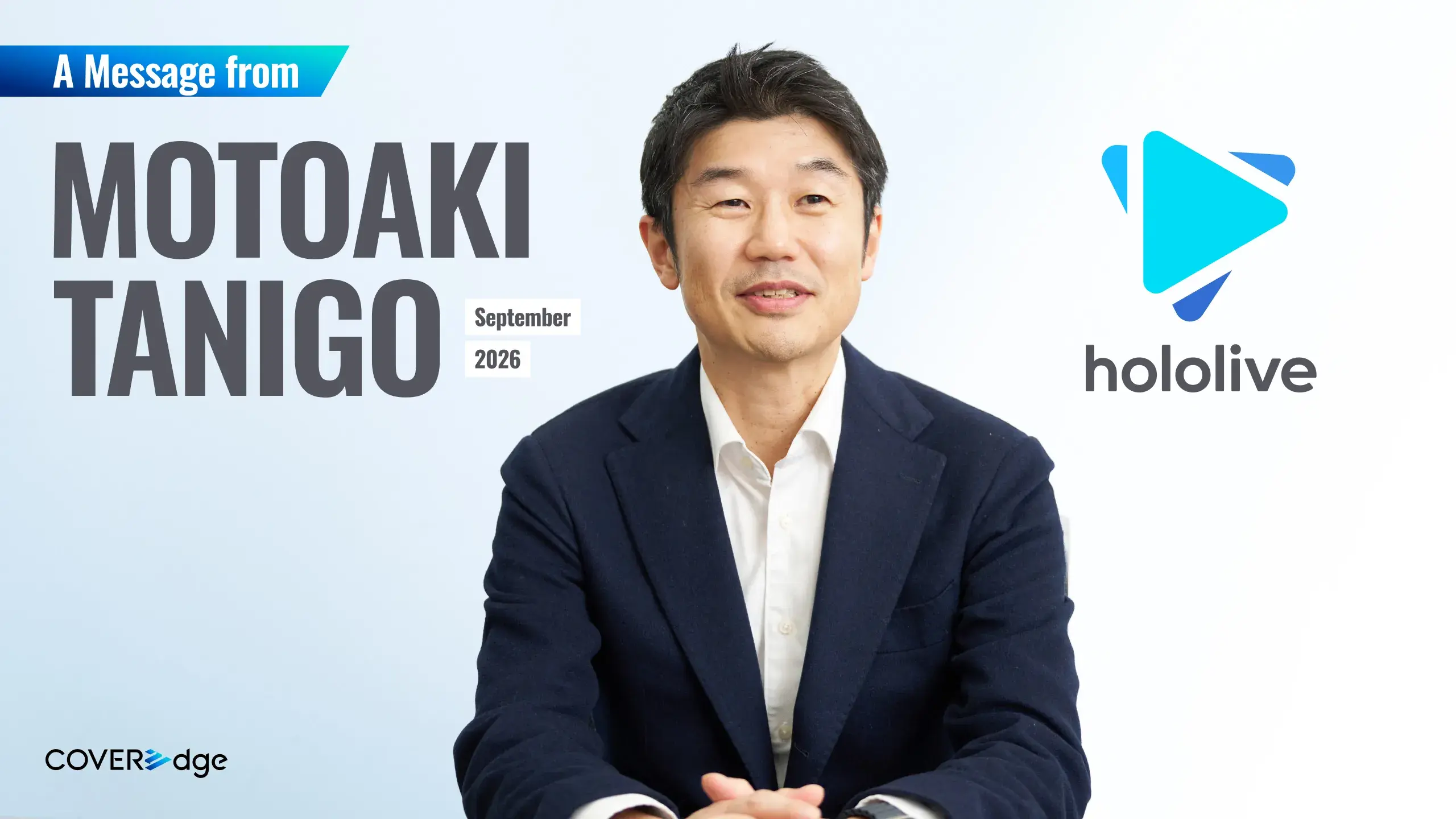
In fact, Yagoo made this clear in a follow-up interview posted on the official corporate blog. He stated unequivocally that hololive would continue its overseas activities. He also announced that hololive has ceased applying the Generation nomenclature to new debut groups and will use the terminology unit instead. He implied that ReGLOSS and FLOW GLOW were never considered the 7th and 8th Generations of hololive, and he specifies Gen 6 holoX and ID Gen 3 holoh3ro as the milepost after which all groups have inherited the unit designation. He reiterated the unification of DEV_IS with the other branches and further stressed the distinction that the hololive (JP) main branch isn’t subsuming the other branches but rather that the entire branch structure is being dissolved and reborn into a new entity as “hololive”.
The end of new hololive “Generations” is bittersweet. In a way, Generation now becomes a distinguished title for the agency’s most senior debut groups (except hololive Gamers). The reasoning is understandable: a numbering scheme implies a meaningful order of debut groups perhaps more significant than chronological debut. As Yagoo says:
[W]e began to feel that having a long sequence of numbered generations might give prospective fans the impression that they need to begin at zero and follow everything in order, which meant that we ourselves would be narrowing down the entry points for people to fall in love with hololive.
Another circulated narrative is that this merger is a sign of weakness or failure by the company. Rather, these actions are directly in line with its stated goal to fans and shareholders to simplify the company’s bloated middle management. Ninomae Ina’nis said that organizing cross-branch projects had become difficult, and game streaming permissions were complicated because some were tied to branches. Overall, each branch’s distinct course of management and policies had turned into an encumberment. Therefore, less management should create fewer barriers. Yagoo’s interview concurred with this:
Until now, each overseas group tended to operate within the structure of its own region. Even when a major project moved forward in Japan, the plan did not always include participation from talents in other regions. Likewise, production resources in Japan did not always reach the communities that had grown overseas. We concluded that this structure itself needed to change.
Going forward, it will be easier for talents to take part in major hololive initiatives, including concerts, events, music, merchandise, and animation, regardless of region. At the same time, the cultures and strengths developed overseas can contribute more directly to hololive as a whole.
The honest truth is that we did not want to leave the current structure unchanged precisely because these communities matter so much to us.
Fans noticed that the trailer for the hololive TV anime featured only Japanese members, in contrast with the merger’s expressed goal of removing exceptionalism of branches and putting all members on equal footing. Ina implied in her stream (same as linked in the table above) that this was due to the anime’s production predating the merger. Both Ina and Mori Calliope articulated that they’d stand up against management for the sake of non-Japanese members if inclusion of all talents across projects doesn’t become the norm after the merger. Ina was optimistic and said she had already seen more inclusion in ongoing internal projects that haven’t become public yet.
Finally, the MekPark project remains a confusing outlier. These “pre-debut” members will continue their activities as a separate entity outside of hololive and will not participate in the merger until their (not guaranteed) debuts. MekPark’s existence has always been perplexing, but in this past 2-year debut drought, it sort of made sense as a trial program under the auspices of a hesitant hololive management struggling to rediscover the glory and popularity of hololive’s pre-DEV_IS debuts. Now that hololive management has demonstrated the confidence to debut members directly into the agency with the announcement of ASOBI★MAWARI-TAI, MekPark’s status seems to be in limbo. One can only speculate at this point, but maybe MekPark was the last project set in motion before hololive’s internal overhaul and revised roadmap for the future. It’s possible the project will be closed down after its current members debut into hololive, particularly if ASOBI★MAWARI-TAI sees strong immediate success.
Visual Updates for talent
Cover Corporation will implement a gradual agency-wide design revamp for all hololive members, with an estimated cadence of 5 to 8 talents per year. This isn’t a “new outfit” but rather a renovation of a talent’s original, standard design. This approach isn’t unheard of in hololive’s history; several members (for examples, Shirakami Fubuki and Hakui Koyori) have received facial changes to their standard 2D and/or 3D model, and IRyS received a substantial redesign particularly to her facial features but also other touchups to her model. However, the novelty of Cover’s announcement is the establishment of a procedure for these standard design updates that will be offered over time to all hololive members.
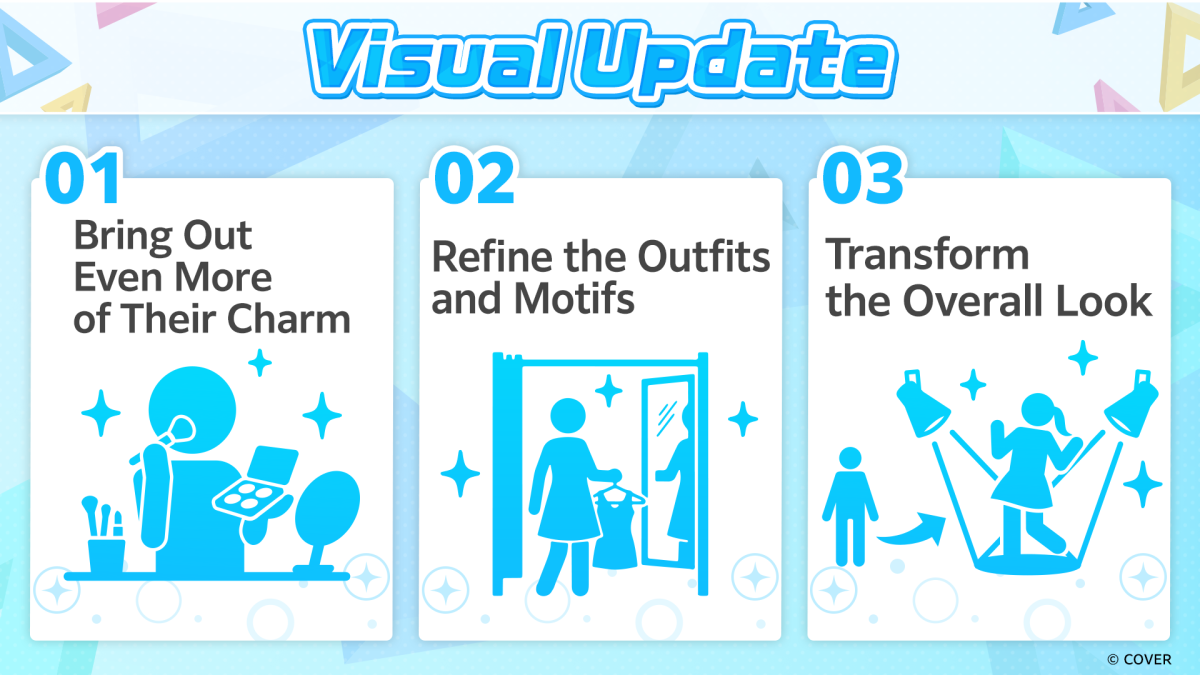
Cover Corporation emphasized in the announcement that these Visual Updates won’t be undertaken with a “one size fits all approach” but rather with close consultation with each member. Therefore, there isn’t a strict formula by which these Visual Updates will abide, but Cover explained that Visual Updates will fall into one of these three broad categories:
Enhancements
Refinements
More substantial overhauls
The purpose of these Visual Updates is to bring each talent’s visual appearance in line with her current activities and self-image, which may have changed or evolved since her debut. Visual Updates won’t be rolled out in chronological debut order but rather based on criteria that take into account each talent’s schedule and future plans.
In hololive Next, Yagoo was careful to reassure fans that these Visual Updates by no means efface the memories and history each member has built on her journey together with her fans. These words particularly stood out to me. Hololive does not have an illustrious track record of honoring its past. Profiles of terminated members are expunged from the official website, and their bodies of work are deleted from their Youtube channels without a single video or post to spare. Mano Aloe was graduated—not terminated—from the agency, but every detail of her short tenure at hololive has been purged outside of a single old tweet announcing her graduation. Hololive EN Council’s whole identity was wiped out in favor of rebranding as hololive Promise, the terse announcement for which lacked any language about honoring their history as Council members shared with their fans.
The intellectual property of these vtubers belongs to Cover Corporation, but the connections hololive members share with their fans is intrinsically common property. Therefore, when Cover takes unilateral action against a member’s history, it’s usurpation. And for fans and members who felt like the labels hololive Indonesia, hololive English, and hololive DEV_IS were a fundamental part of their identity, Cover Corporation has become the usurper once again.
Notwithstanding, hearing the CEO finally talk about legacy resonated with me, and it came with a step in the right direction. Yagoo announced at hololive Next that Tokino Sora would be the first member to undergo a Visual Update transformation, which would be premiered right after the broadcast. I had mixed feeling when I heard this, but he immediately brought Tokino Sora into the conversation, who was a guest on the show and had pre-recorded an interview with one of the holoAN announcers about the topic.
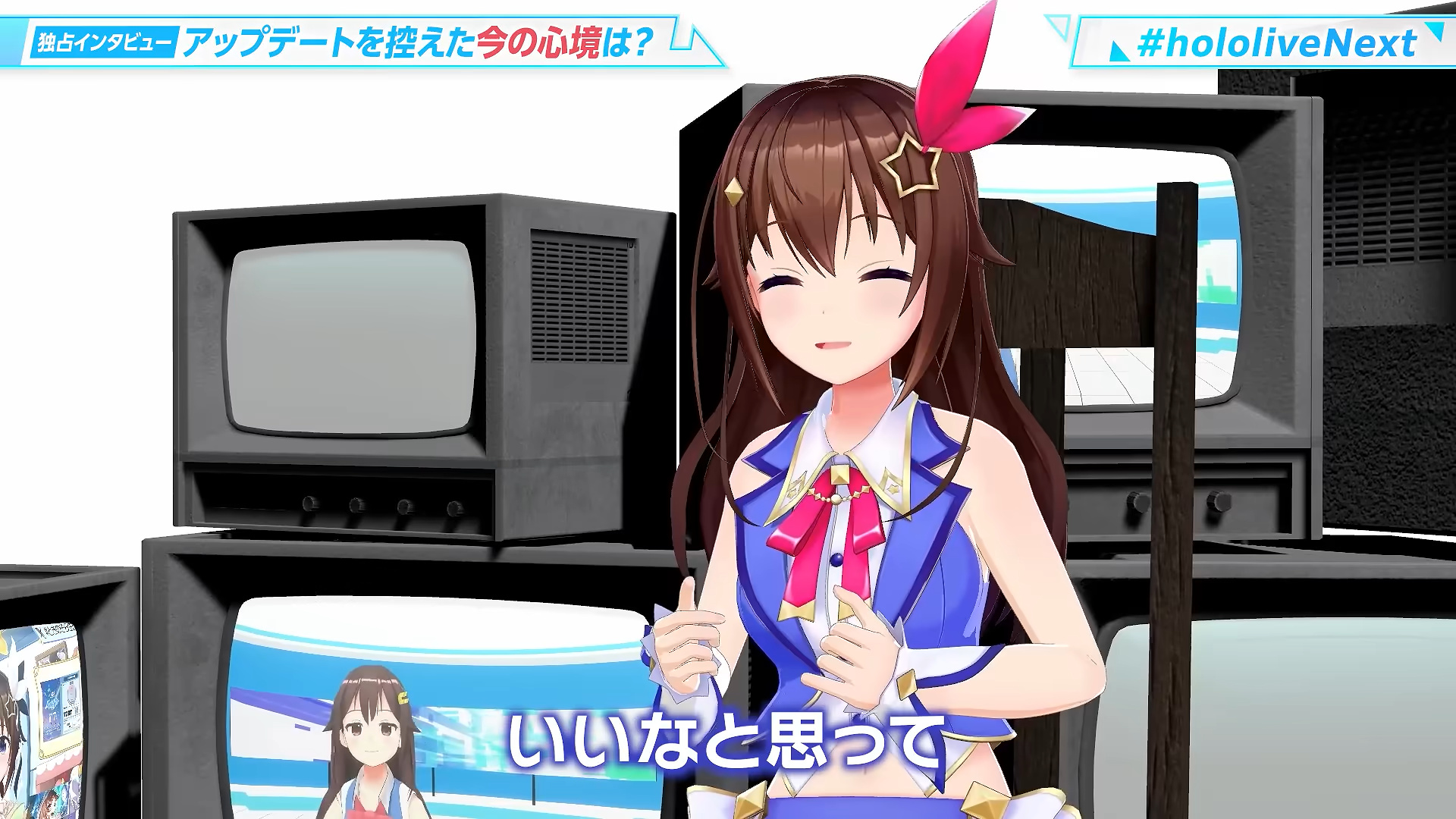
In her interview, Sora talked about the process of creating her new design: her aspirations for it, her initial reservations about it, and how she hoped fans would perceive it. The significance of this interview is twofold: one, fans needed to know Sora’s approval of the redesign, and two, Cover knew fans needed to know of Sora’s approval. Moreover, this could have been relayed as a tweet or during Sora’s follow-up anniversary live stream, but Cover realized it was crucial to convey to fans the close involvement that talents would have in this redesign process at the same time as its announcement. This change in consideration by hololive’s upper management is absolutely essential to regaining fans’ trust.
It also underscores the theme of this hololive Next broadcast: looking forward to a bright new future with the same face that’s willing to look back and cherish hololive’s past, a past that belongs to its members and their fans, a past that deserves preservation. I’ll withhold my praise until I see this sentiment continue to be backed by action from Cover Corporation, but I’m relieved that upper management seems to have finally become attuned to the feelings of hololive’s fans once again.
Tokino Sora’s anniversary live performance followed the conclusion of the hololive Next stream. Sora performed the first half of the live using her previous design, leading into an emotive medley of the original songs she sang at each Fes, which brought the stream to its halfway point. A retrospective of clips from her streams, music videos, and live performances played before a sequence of images of her applying her “new makeup”.
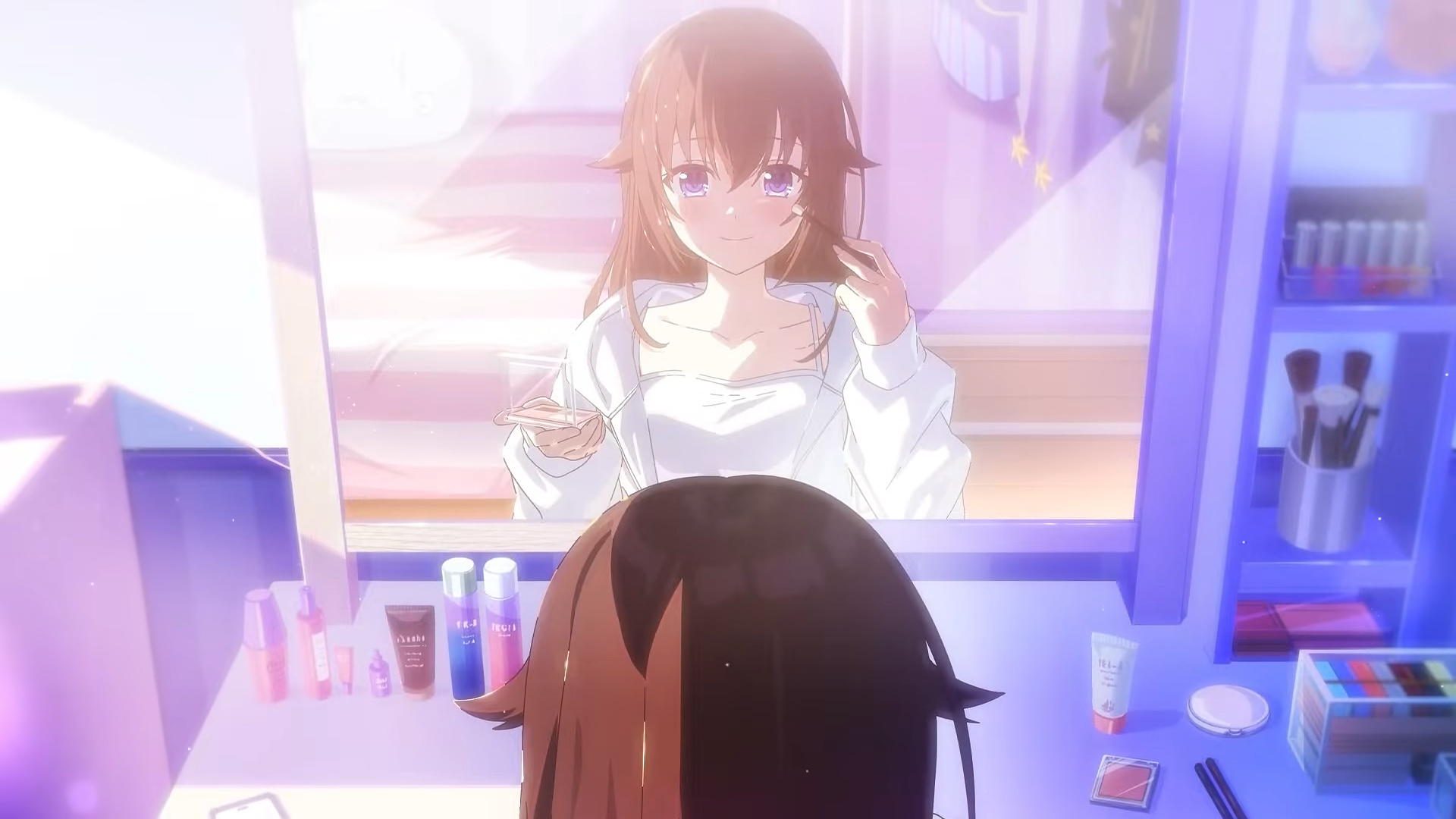
Moments later, a blurry figure emerged on a shadowy stage. As the lights came on and the camera zoomed in, hololive’s first idol came into focus, with a brand-new appearance:
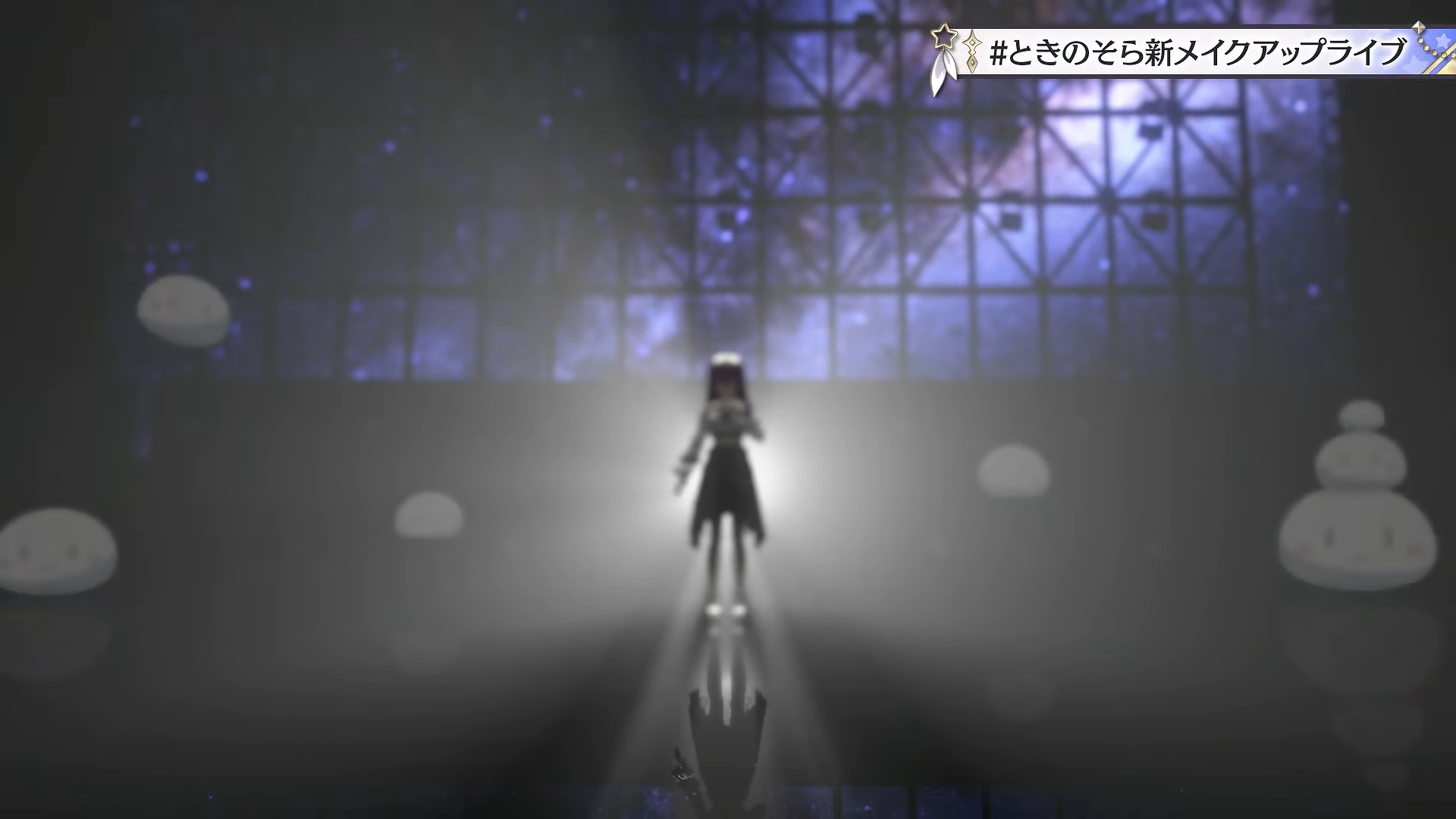
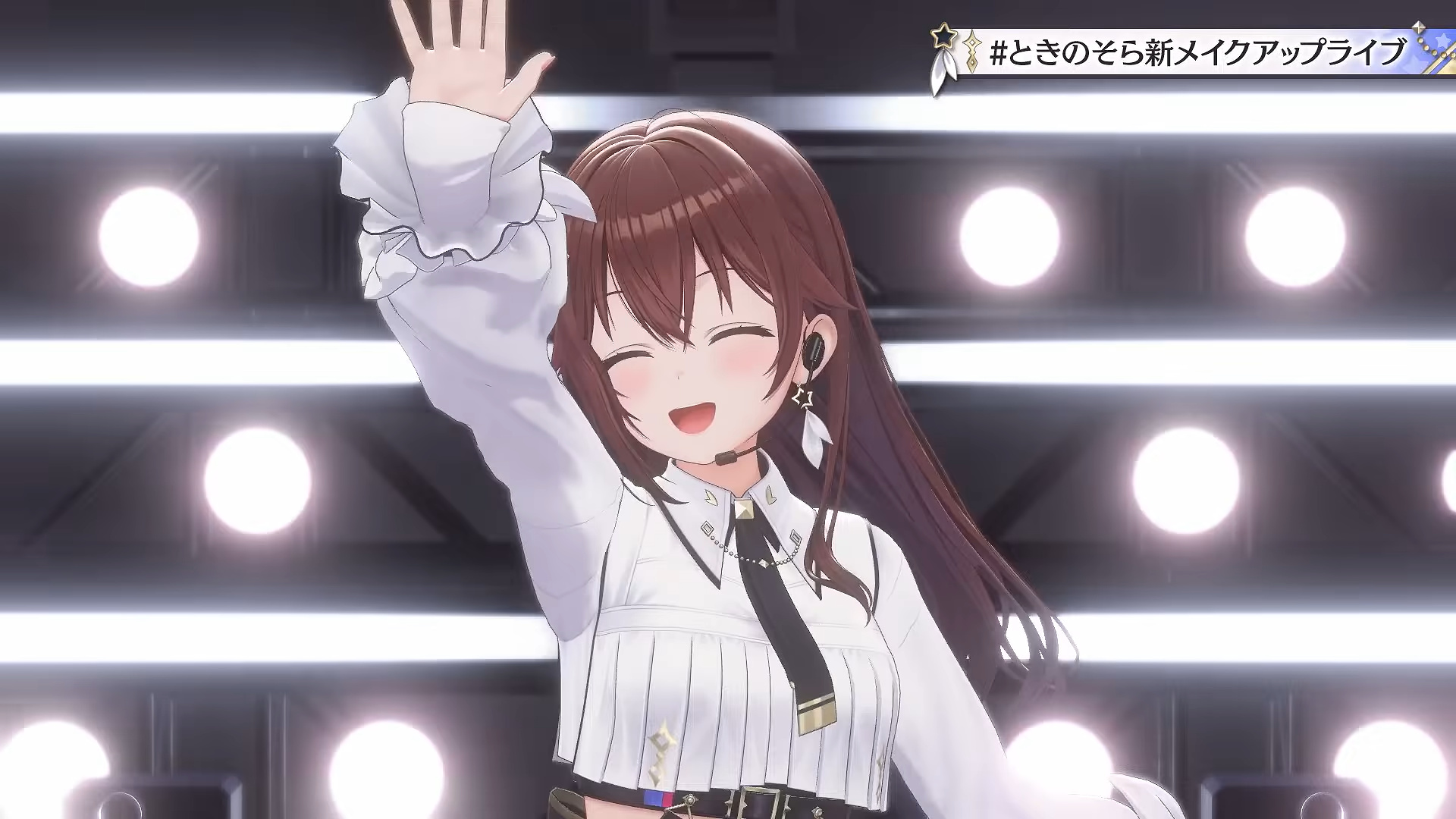
走れ GO! Sora introduced her new image with a rousing performance of Shiny Smily Story


This update to Sora’s look is officially termed 新メイクアップ “new makeup”, but it unquestionably also gives her a more grown-up appearance. Indeed, Sora used the word 大人っぽい “mature” during hololive Next to describe the change.
According to the Japanese fan-managed wiki about hololive, Sora’s canonical age increments every year on her birthday. She has tweeted her updated age on her birthday before. Therefore, her current age (as of September 2026) is 26 years old.
There’s no precedent in the vtuber industry for changing a model’s appearance to reflect the talent’s growth in age, so this is an area where hololive has chosen to innovate. Kizuna AI looks the same as she did when she debuted 10 years ago, and so do the most senior members of Nijisanji who debuted in 2018.
It was emotionally moving to see an elegant, mature Sora take the stage and reintroduce herself to all fans by singing hololive’s very first and most iconic song, Shiny Smily Story. Sora’s new appearance not only symbolizes her embarking on an exciting renovated path of forthcoming activities, but also reinforces hololive’s commitment to the long-term future. Indeed, these preparations ahead of hololive’s 10th anniversary aren’t targeted at making hololive strong for just the next year, but rather for the next 10 years, to create a resilient hololive that continues to celebrate its 15th, 20th, 25th anniversary and beyond. And in order to do so, Cover Corporation has correctly realized they must continue to nurture their most valuable asset: hololive’s talent, by providing the resources to make sure their current members can comfortably continue their activities for many years to come, while also creating an environment for new talent to be welcomed into and shine.
New unit: ASOBI★MAWARI-TAI
To conclude the hololive Next broadcast, Cover Corporation announced the long-awaited debut of new members, for the first time in nearly 2 years, and nearly 5 years if excluding debuts to sister branches (EN, ID, DEV_IS). The following two weeks were accompanied by a slow trickle of new information and teasers about the upcoming unit, leading up to the publication of their social-media accounts and debut dates.
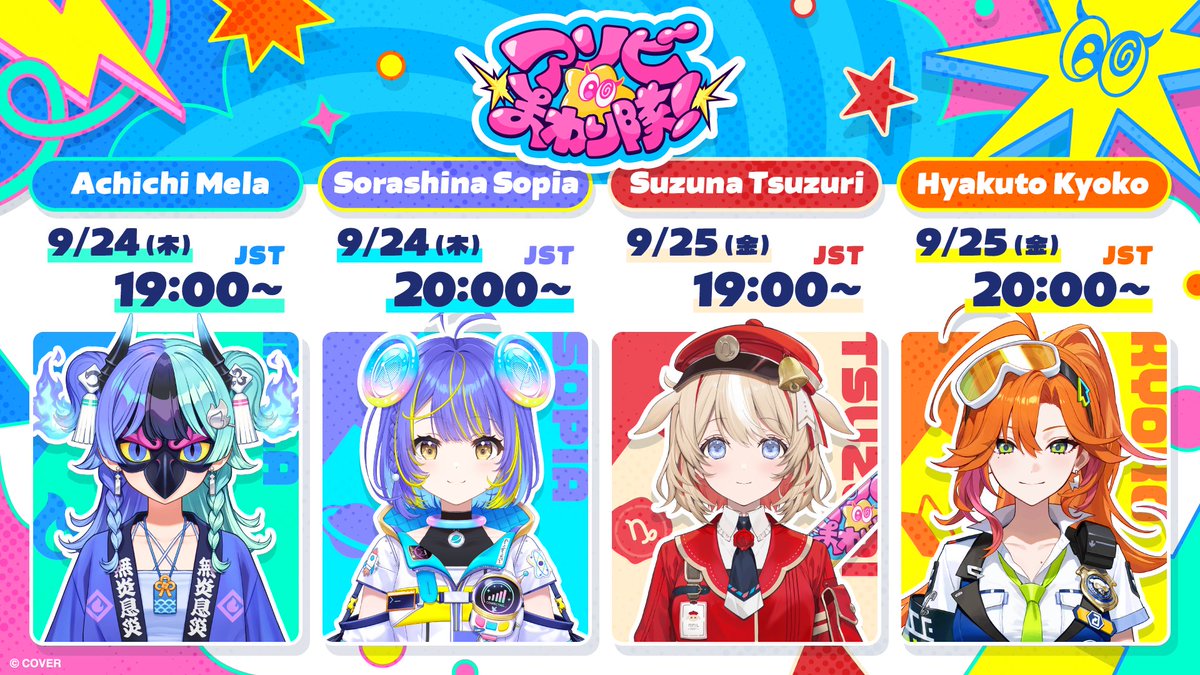
A salamander firefighter from Japan’s Edo period, a curious astronaut with a fascination for science, a ditzy mailwoman-goat with a bad habit of eating the mail she’s supposed to deliver, and an enthusiastic peppy policewoman with a booming voice—these designs and character profiles are by no means anything like DEV_IS, which is also to say: they’re completely different from any Japanese-speaking debuts since 2021. For the fans who have been longing for the old hololive style of Gens 1-6, the reveal of this new unit was a sight for sore eyes.
Their debuts coincide with the end of Japan’s “Silver Week”, a 5-day weekend when certain holidays happen to fall into consecutive alignment. Silver Week is a prime opportunity to schedule events, and in addition to many holomem doing long afternoon streams when most of their viewers have time off work to watch, there has been a series of special streams that fortuitously have helped bring more attention to the approaching debut dates, such as (in chronological order):
Shishiro Botan’s birthday live
RosaMiA (Aki Rosenthal, Ookami Mio, AZKi) acoustic live
Myth 6th-year anniversary
Announcement of Holodori’s first new area expansion
Odeholo anime information release
Hololive Justice new casual outfit
(ASOBI★MAWARI-TAI debuts)
NepoX 2-day live concert
Several hololive members have done “predictions/expectations” streams where they talk about how they perceive the new members’ personalities just based on their designs, having not yet met them in person. They’ve also all begun interacting with each other on social media, creating a sense of camaraderie that has even further driven up the engagement from fans. The fellowship that hololive members share with each other is one of their strongest attributes, and it’s refreshing to see it again after such a long drought in debuts, the longest in hololive’s 9-year history.
And so, an extremely inequitable burden weighs heavy on the shoulders of these four girls of ASOBI★MAWARI-TAI. Unfairly, under incomparable circumstances, their first year will be measured against ReGLOSS’s and FLOW GLOW’s, and in this period of hololive’s renewal, Cover Corporation will wish for them to strive to attain the popularity that the original 6 Generations of hololive had enjoyed. I can’t even imagine the stress they must be feeling this week, and I hope they lean on each other and their senpais to help them endure all the undue expectations. May they all shine their brightest. ♥
I’m happy to support them. I’m happy to support the unified hololive. And I’m happy to support hololive’s radiant new future.
Thanks for reading! I’m so excited about this new direction for hololive. These past 2 years, since Minato Aqua’s graduation, have been a downright awful period for fans. I truly began to think that if Cover Corporation didn’t take decisive action soon, there might not be a future for hololive.
I’ve always had mixed feelings about DEV_IS. I wanted to support the girls, but it was frustrating that Cover chose to segregate them into a separate branch with a separate agenda. DEV_IS were never allowed to identify as idols; they never appeared in bikinis like all of the other branches during summer events; and they were made to perform at Fes wearing their own branch outfits instead of the Color Rise outfit that all other members wore. The obstination by DEV_IS’s upper management was infuriating. I hope every executive responsible for making those decisions has been dismissed from the company, and I’m glad the DEV_IS girls can finally be welcomed into hololive where they belong.
This is the most positive I’ve felt about the state of hololive in 2 years: a joy I had almost forgotten as a fan. Here’s to many more years of hololive, to a Fes stage where all members stand as equals, to the talented members of hololive reaching for new heights!